
Can a Machine Carry Your Voice?

Technology can assist, but only people can understand.
Years ago, I stood in a courtroom, interpreting for a man whose future hung on every word. He was scared, his voice trembling as he explained his side of the story. I didn’t just translate his Spanish, I carried his tone, his pauses, his humanity. The judge listened, nodded, and ruled fairly. That moment stuck with me. Now, with the March 1 Executive Order loosening language access rules, I’m asking: Are we heading toward a future where AI replaces people like me? At Kaplan Interpreting Services, we believe communication isn’t just about words, it’s about context, nuance, and heart. Machines might be fast, but can they carry that weight?
The Cost of Cutting Human Interpreters
The revocation of Executive Order 13166 didn’t just cut federal mandates, it opened the door to cost-cutting. Enter AI-driven translation tools: apps, voice bots, and algorithms promising to “solve” language barriers for pennies on the dollar. They’re already popping up in hospitals and government offices, touted as the future. But here’s the catch: AI can’t feel. It can’t read the fear in a patient’s eyes or catch the subtle plea in a defendant’s tone. I’ve tested these tools myself, they stumble over idioms, miss cultural cues, and churn out sterile, sometimes wrong, results.
Take a real case I worked on: a woman in labor, panicked, describing her pain in rapid-fire Vietnamese. An app might’ve caught “hurt” and “baby,” but I heard her urgency, her history, her trust in me to get it right. That’s what Kaplan’s interpreters bring, trained professionals who don’t just process language but understand its stakes. AI might save money, but who benefits from cutting humans out? Tech companies eyeing contracts, maybe. Who loses? The millions, patients, immigrants, small business owners, who need real connection, not a robot’s guess.
The Future of Language Access: What’s at Risk?
This isn’t about resisting progress; it’s about protecting what works. Human interpreters aren’t perfect, but we’re accountable, adaptable, and alive to the moment. So, what’s next? In our next post, we’ll look at the industries that could feel this shift the hardest, because when language fails, the fallout isn’t theoretical. It’s personal. Tell me: Would you trust a machine with your story?
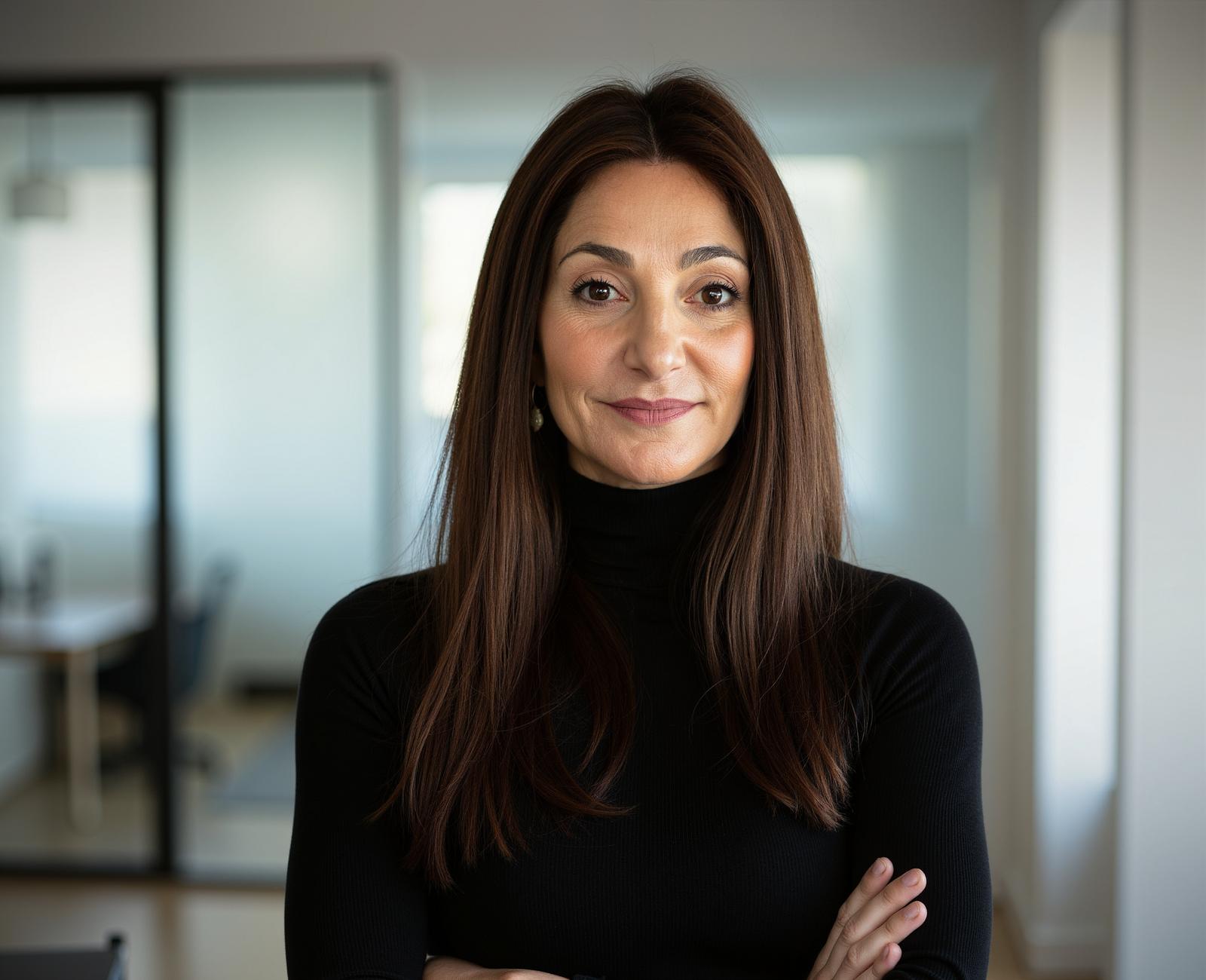
CEO & Founder
Born in Dallas, Texas, Alexandra grew up surrounded by Spanish, English, Arabic, and Italian. After moving to Venezuela, Spanish became her primary language. She holds a Master's in Healthcare Administration from Washington University in St. Louis and is a California court certified and medical interpreter.
She founded Kaplan Interpreting Services after seeing an industry that treated interpreters as interchangeable and clients as ticket numbers. She built a protocol-driven operation where every interpreter is hand-selected and credentialed for the specific setting, every client has a dedicated point of contact, and risk management is built into every assignment.
Her career reached a historic milestone when she interpreted the conversation between President-elect Biden and Pope Francis. That assignment, along with engagements for Nike and the Summit of the Americas, set the standard for every client engagement that followed.
"The same protocols that protected that historic conversation now protect every assignment we handle."