
Omar Khan: Interpreters in Terrorism Cases

In high-profile trials like Omar Khan’s, interpreters are not just conveying words, they’re ensuring that justice is heard and understood, no matter the pressure.
In post-9/11 America, cases involving foreign nationals accused of terrorism have stirred intense public scrutiny and complex legal challenges. For non-English-speaking defendants, interpreters play a pivotal role in ensuring fair trials amid heightened emotions and political pressure. One notable case was that of Omar Khan, a Pakistani national facing terrorism charges. Khan’s case underscored the vital role of court interpreters in upholding fair trial rights, even in high-stakes, high-pressure situations where national security concerns dominate the narrative.
Background of the Omar Khan Case
Omar Khan, a young man from Pakistan, was accused of involvement in a terror plot that had far-reaching implications. From the outset, the case attracted significant media attention, with widespread calls for a swift and severe sentence. However, Khan’s limited English proficiency meant he couldn’t fully understand the proceedings or the evidence being presented against him. His court-appointed interpreter, Farah Akhtar, had the daunting task of ensuring Khan could follow every detail and communicate effectively with his defense team.
During pre-trial hearings, Akhtar observed that Khan’s lack of English fluency placed him at a disadvantage. Legal terminology, technical evidence, and procedural nuances risked being lost on him without precise interpretation. Recognizing this, Akhtar approached her role with meticulous care, knowing that even minor inaccuracies could impact Khan’s ability to mount a fair defense.
Challenges and the Ethical Demands on Interpreters in Terrorism Trials
Interpreting in terrorism cases presents unique challenges. Interpreters must contend with sensitive terminology, high-stakes evidence, and intense scrutiny from the public and the media. In Khan’s case, Akhtar faced ethical and emotional pressures that few interpreters encounter. She knew that any misinterpretation could not only compromise Khan’s defense but also fuel the public’s perception of his guilt.
Throughout the trial, Akhtar remained committed to neutrality, ensuring that she accurately conveyed the prosecution’s and defense’s arguments. Her work extended beyond language; she helped Khan understand his rights, navigate complex legal questions, and prepare for cross-examinations. Akhtar’s dedication exemplified the ethical standards required in legal interpreting, particularly in cases where public opinion is charged.
Outcome and the Role of Interpreting in Upholding Fair Trial Rights
Thanks to Akhtar’s careful interpretation, Khan’s defense team could challenge key evidence, leading to several charges being dropped. Although Khan faced a conviction on some counts, the court acknowledged that his trial had been conducted fairly, with full respect for his rights. Akhtar’s work demonstrated the crucial role interpreters play in maintaining justice, even in cases where societal pressure calls for swift convictions.
Khan’s case underscored that interpreters are essential to safeguarding fair trial rights, ensuring that even those accused of serious crimes can fully understand and participate in their defense. By preserving accuracy and impartiality, interpreters help uphold the principles of justice, reminding us that fairness is a right, not a privilege.
Conclusion
The case of Omar Khan highlights the indispensable role interpreters play in terrorism trials, where language barriers can easily compromise defendants’ rights. Through her skill and integrity, Farah Akhtar protected Khan’s right to a fair trial, demonstrating that interpreters are critical participants in the justice process. In an era of heightened scrutiny, their work is vital in ensuring that every individual, regardless of public perception, is treated fairly under the law.
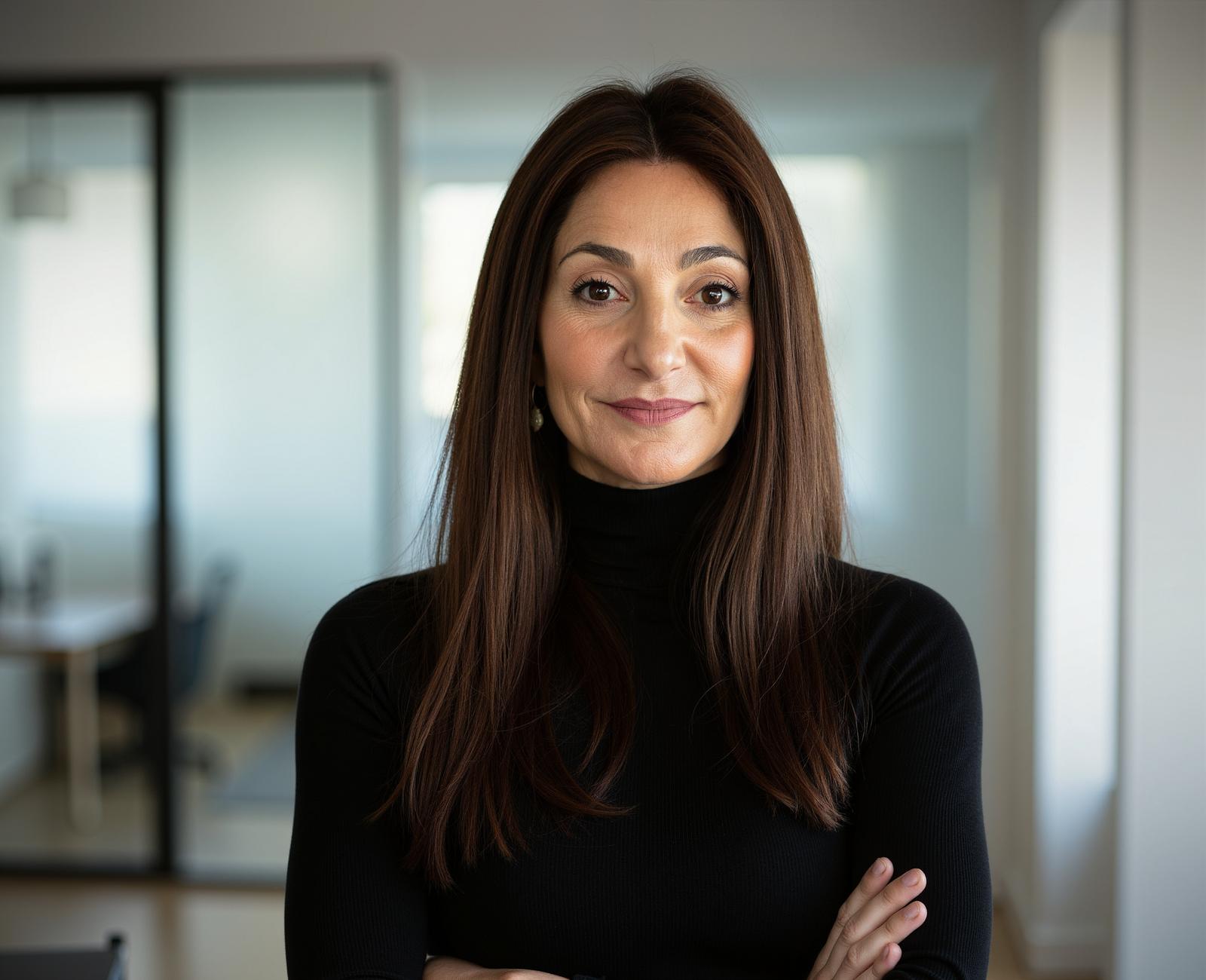
CEO & Founder
Born in Dallas, Texas, Alexandra grew up surrounded by Spanish, English, Arabic, and Italian. After moving to Venezuela, Spanish became her primary language. She holds a Master's in Healthcare Administration from Washington University in St. Louis and is a California court certified and medical interpreter.
She founded Kaplan Interpreting Services after seeing an industry that treated interpreters as interchangeable and clients as ticket numbers. She built a protocol-driven operation where every interpreter is hand-selected and credentialed for the specific setting, every client has a dedicated point of contact, and risk management is built into every assignment.
Her career reached a historic milestone when she interpreted the conversation between President-elect Biden and Pope Francis. That assignment, along with engagements for Nike and the Summit of the Americas, set the standard for every client engagement that followed.
"The same protocols that protected that historic conversation now protect every assignment we handle."